

Quick answer
The cape may whale watching season in Cape May runs from March through December, with the highest sighting probability between May and September. Humpback whales, fin whales, and dolphins migrate through these waters during spring and summer months when plankton blooms and baitfish concentrations peak. Late autumn still offers sightings, though frequency drops as cetaceans move south and weather becomes less predictable.
Humpback whales pass through the continental shelf waters off Cape May twice annually—northbound in spring and southbound in autumn—but they linger longest when food is abundant. Between May and September, nutrient-rich upwellings attract dense schools of menhaden, sand lance, and mackerel, which in turn draw feeding whales within ten miles of the coastline. Fin whales, the second-largest species on Earth, follow similar patterns but tend to stay farther offshore except during exceptional feeding events. Bottlenose dolphins remain resident or semi-resident throughout the warmer months, and sightings of them are common on nearly every cruise during the cape may whale watching season. March and April mark the start of northbound migration. Sightings increase as water temperatures rise above 50°F and zooplankton populations explode. By mid-May, multiple species overlap in the feeding grounds, and encounter rates climb steadily through June. July and August deliver the most consistent sightings—calm seas, long daylight hours, and concentrated prey create ideal conditions. September remains productive, though some individuals begin their southward journey. October and November see reduced but still viable activity, especially in warm years when baitfish linger. December closes the season; most whales have departed, and sea conditions deteriorate. Weather shapes reliability as much as biology does. Spring can bring choppy seas and sudden wind shifts. Summer offers the calmest water and the longest weather windows, which matter when you are spending three hours offshore. Autumn delivers vivid light and fewer crowds, but swells intensify and cancellations become more frequent. Booking a mid-season departure increases your odds of both encountering cetaceans and completing the trip as scheduled. Cruises depart daily at 09:00, allowing time for boarding and safety briefings before clearing the harbor. The vessel operates seven days a week from March through December, and each trip covers roughly 20 nautical miles of prime habitat. Naturalists onboard provide real-time identification and context, turning sightings into education. Migration timing, prey availability, and sea state converge to define your experience—plan accordingly.
“Between May and September, nutrient-rich upwellings attract dense schools of baitfish, which in turn draw feeding whales within ten miles of the coastline.”
Understanding the Cape May Whale Watching Season
The prime window for whale watching in Cape May spans from late spring through late autumn, with sightings peaking as migratory patterns align with regional water temperatures. Choosing mid-week departures often provides a quieter experience on the water compared to weekends.
Spring (April–May)
Moderate crowdsCool, 50°F to 65°F; variable winds.
Whale migration begins; consistent sightings of dolphins and early arrivals begin.
Summer (June–August)
High crowdsWarm, 75°F to 85°F; humid.
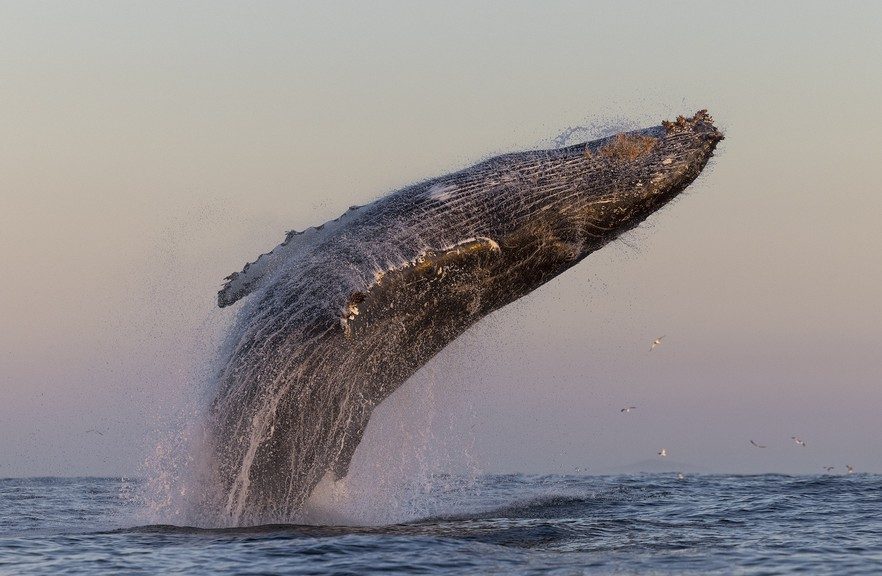
Humpback whales are frequently active as water temperatures rise.
Autumn (September–October)
Low to moderateMild, 60°F to 75°F; cooling.
Marine activity remains high before the seasonal migration southward concludes.
Weekday mornings
Minimal crowds—
Calmer sea conditions typically occur early in the day, facilitating better visibility.
Verdict: For the highest probability of sightings and thinner crowds, target mid-week excursions during the months of September or October.
Daily Operational Hours During Cape May Whale Watching Season
The Cape May Whale Watcher maintains consistent daily operating hours throughout the active whale watching season. The facility remains open seven days a week to accommodate visitor schedules.
| Monday | 09:00–18:30 | |
|---|---|---|
| Tuesday | 09:00–18:30 | |
| Wednesday | 09:00–18:30 | |
| Thursday | 09:00–18:30 | |
| Friday | 09:00–18:30 | |
| Saturday | 09:00–18:30 | |
| Sunday | 09:00–18:30 |
Operating hours remain consistent throughout the season; please consult the official website for any updates regarding holiday closures or weather-related adjustments.
Pricing Structure for Cape May Whale Watching Season Cruises
There is no general entrance fee for the Cape May Whale Watcher facility. Costs are calculated strictly based on the specific excursion or tour selected.
Visitors pay exclusively for their chosen excursion, with final pricing determined by the specific cruise package selected.
Arrival and Transport for Cape May Whale Watching Season
The Cape May Whale Watcher is located at 1218 Wilson Drive, Cape May, NJ 08204. Visitors typically arrive by car via the Garden State Parkway to reach the Cape May area.
Garden State Parkway South to Exit 0
NJ Transit 552 to Cape May
Local Cape May taxi services
Pre-Visit Checklist for Cape May Whale Watching Season
Prepare for your whale watching excursion with these steps to secure your spot and ensure comfort on the water.
-
Book your cruise in advance — Popular departure times fill quickly during peak migration windows.
-
Check weather and sea conditions — Calm seas improve visibility and reduce motion sickness risk.
-
Bring binoculars and a camera — Magnification helps spot distant spouts and breaches from the deck.
-
Dress in layers with wind protection — Temperatures drop on open water even during warm months.
-
Arrive 30 minutes before departure — Allows time for check-in, boarding, and safety briefing at 1218 Wilson Drive.
-
Pack motion sickness remedies if needed — Preventative medication works best when taken before boarding.
-
Wear non-slip, closed-toe shoes — Wet decks require stable footwear for safe movement during the cruise.
Check availability
Frequently Asked Questions About Cape May Whale Watching Season
Everything you need to know about cape may whale watching season